

How to Find Pet Sitters for Diabetic Cats and Dogs
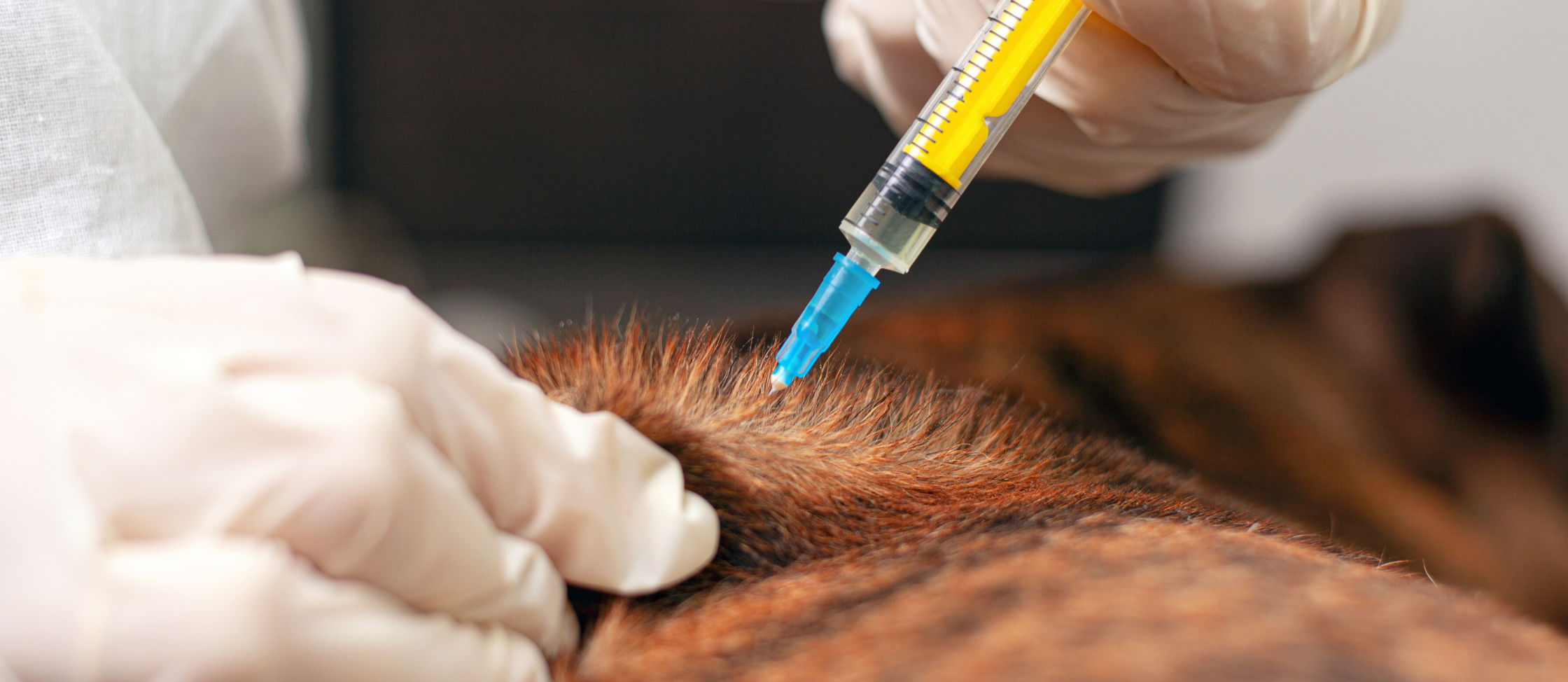
Just like in humans, diabetes affects how your pet’s body processes glucose and uses energy. Proper treatment involves daily monitoring of glucose levels and regular administration of insulin, which can be managed without too much trouble in your day-to-day life. But how can you make sure they get the care they need when you’re on vacation or need to travel for work?
About one in every 300 dogs and one in every 230 cats has diabetes, so you’re not the only one having this dilemma. Are there pet sitters out there you can trust? Absolutely! And we’ll show you how to find them:
Vetting potential pet sitters for diabetic dogs and cats
Vetting a pet sitter for a diabetic dog or cat is much the same as for any other pet owner; you just have a few extra criteria your perfect match needs to meet. If you’ve never used a pet sitting service before, check out these 3 questions to ask every new pet sitter.
When you speak with potential sitters, ask if they have experience working with diabetic pets and their comfort level with regular insulin injections. Here’s a few questions to get the conversation started:
Have you cared for pets with diabetes in the past? How often?
Do you have experience giving insulin injections? Are you comfortable doing so?
Do you have any pet first-aid certifications or experience volunteering at a veterinary office?
Do you know the warning signs of low and high insulin levels?
Lastly, always trust your gut when hiring a pet sitter. They should make both you and your pets feel at ease, and if they don’t, then it’s time to ask why. It might be that you’re experiencing high anxiety at the thought of being away from your pet, or it might be that they’re not the right fit for you.
If you do feel that they’ll be up to the task of caring for your diabetic pet, the next step is to let them know exactly how to do it.
Preparing your pet sitter for your diabetic pet's needs
Meet-and-greets become especially important when any of your pets has medical needs. Schedule a time for your new sitter to visit the home well in advance of your trip, to allow your pet to get to know them in a relaxed atmosphere. During this visit, go over your pet’s normal schedules and routines. For more information, see our checklist guide.
You’ll also need to write clear instructions for them and go over aspects of your pet’s care that are specific to their diabetic needs. Don’t forget to discuss:
Meal and medicine times: It’s especially important that diabetic animals receive their meals and insulin (and any other needed medications) at the same time every day. Make sure this schedule is posted in an easy-to-reference place, and encourage your sitter to set alarms as an extra precaution.
Their exercise routines: Let them know if your vet has recommended a specific exercise regimen, and how they typically like to be walked or played with.
How insulin is administered: Write out detailed instructions on how and when your pet’s medications should be given, and go over them together. If possible, schedule this meeting for a time when they can watch you give your pet their insulin dose.
Insulin monitoring procedures: Review with them how your veterinarian recommends monitoring their glucose levels. If any supplies are necessary, ensure that they know where everything is kept and what to do in case of abnormal readings.
Hypoglycemia symptoms (insulin overdose): Pets who receive too much insulin may:
Experience tremors or seizures
Become lethargic or slow-moving
Have difficulty walking or become clumsy
Ketoacidosis symptoms (insulin deficiency): Pets needing more insulin may:
Have sweet-smelling breath
Become quiet, weak, or collapse
Experience vomiting or diarrhea
Be reluctant or refuse to eat or drink
Have difficulty breathing or rapid breathing (panting)
Emergency procedures: Create a written plan for them and discuss what to do in case of any of these emergencies. Have the phone numbers for any emergency contact, your veterinarian, and the closest pet hospital ready for your sitter as well.
How to go on vacation with a diabetic cat or dog
Using a professional, in-home pet sitter is usually the best option for pets with medical needs. This allows you to avoid the stress of crowded boarding facilities and ensures your pet gets undivided attention. Choose a responsible sitter who has experience administering medications and who gets along well with your pet. We also advise our sitters to stay in regular communication with pet owners and send photo updates every day.
If you’re in the San Francisco Bay area and need reliable pet sitters for your diabetic dog or cat, we hope you’ll reach out today to G&G Pets to learn more about our services. You can also use the button below to view our sitters and apply to meet them.

The information provided by Grand & Graham Pets (G&G Pets) on https://www.grandgrahampets.com is for general informational purposes only. It does not represent medical or training pet care advice. All information on the blog is provided in good faith; however, we make no representation or warranty of any kind, express or implied, regarding the accuracy, adequacy, validity, reliability, or completeness of any information on the blog. Under no circumstances shall we have any liability to you for any loss or damage of any kind incurred as a result of the use of the blog or reliance on any information provided on the blog. Your use of the blog and your reliance on any information on the blog is undertaken solely at your own risk. All text content of this blog is the property of Grand & Graham Pets and is therefore subject to copyright protection and not for reproduction or reuse. By accessing or using the website, blog, any materials, content, or intellectual property owned by the Owner, you acknowledge and agree to the terms of this Disclaimer. For more information, please see our full Disclaimer.
