

Signs of Illness that Pet Sitters Need to Know
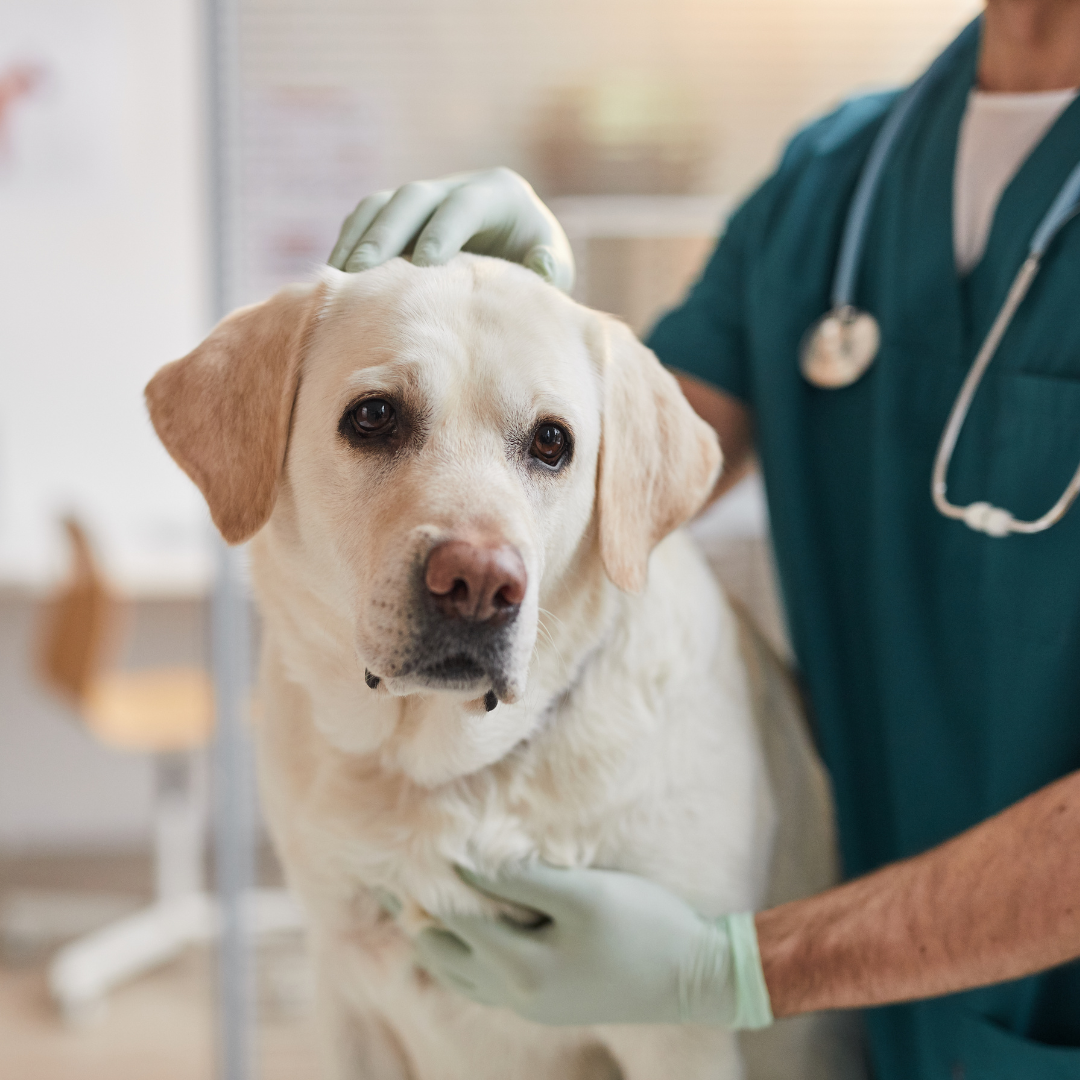
Watching out for signs of illness is just one of the many ways that a good pet sitter takes care of their charges. While your clients don’t expect you to be a vet, they do expect you to know the general signs that an animal may need to see one.
If you’re a cat or dog sitter, here’s what you need to keep an eye out for:
Signs of sickness in cats
Cats are often withdrawn around people they don’t know very well, so it can be difficult to know when they’re not acting normally. However, if you know what you’re looking for, you can tell when cats might need veterinary care.
Here’s a quick list of the signs you should know as a pet sitter:
Energy level and movement: Like humans, cats can grow lethargic when they’re sick. They may want to hide all the time and refuse to play. Limping or reluctance to jump can also be a sign of injury.
Breathing: Unless they’ve been exercising, cats shouldn’t normally pant. Panting, excessive sneezing, struggling to breathe, or making whistling sounds when breathing can be signs of respiratory illnesses.
Loss of appetite: Cats may be reluctant to eat or drink around new people, so pay attention to the food and water levels to make sure they’re at least eating and drinking well when you’re not watching. Refusing to eat treats can also be a sign that they don’t feel well.
Dehydration: You can test if a cat is dehydrated by pinching their skin gently near the shoulder blades and pulling it up slightly. The skin should immediately pull back into place. If it “tents up” briefly before doing so, they could be dehydrated.
Litter box use: Cats should urinate multiple times per day and defecate at least once. Watch the litter box to make sure they are, and clean it every day. Refusing to use the litter box can be a sign of sickness, but it could also mean that they want a cleaner bathroom.
Vomiting or diarrhea: It’s a common myth that it’s normal for cats to vomit regularly, but this isn’t true. Vomiting or diarrhea can be a sign of intestinal illness or that they’ve eaten something they shouldn’t (like houseplants).
State of their fur: Cats may not be able to groom themselves well when they’re sick. Watch for signs of dirty coats or matting. Excessive shedding in the off-season is sometimes also a symptom of illness.
Eye and nose discharge: A cat’s immune system produces snot in response to allergens or illness, similar to ours. If you see a lot of it, check in with owners to see how much is normal.
Seizures: Cats experiencing seizures may have full-body convulsions, but some symptoms are more subtle. Watch out for excessive drooling, mouth twitching (or “chewing gum” convulsions), loss of bladder or bowel control, “fly biting” behavior (biting at imaginary flies), foaming at the mouth, or extreme confusion.
Signs of illness in dogs
On the other hand, dogs may try to mask their illness by pretending everything is ok. They might do their best to continue with their routine as normal. Behavioral changes can be a sign of illness, but that can be hard to gauge when you don’t know the dog well.
So, as a pet sitter, you should look out for:
Lethargy or aggressiveness: If a dog isn’t feeling well, they may not want to play like they normally do. Injured dogs may become aggressive if you try to get near the injury. “Whale eye” or constant side-eye can also mean a dog isn’t feeling well.
Excessive panting or troubled breathing: It’s normal for dogs to pant to regulate their body temperature, but it shouldn’t be a permanent condition. Coughing or wheezing can also be signs of respiratory illness. If a dog moves from settled to panting in a few minutes with no physical exercise, that is a sign of discomfort, whether physical or emotional.
Excessive drinking and urination: If a dog is consuming more water than normal and needing more frequent bathroom breaks, it might mean they need to see a vet. Refusing to drink water for more than 24 hours can also be a symptom of illness.
Loss of appetite: If a dog is refusing to eat their meal or treats for more than 24 hours, it could mean they’re feeling sick. However, some dogs also become reluctant to eat when their owner is away. Ask if this behavior is normal for them and how to approach it.
Itching or licking: Itchy skin can be a symptom of allergic reactions or illness in dogs. Watch out for excessive paw licking as well; this can be a sign of illness, injury, or anxiety in some dogs.
Pale gums: A dog should have bright pink gums, sometimes with black markings depending on the breed. Pale gums can be a sign of sickness or extreme dehydration.
Sneezing, coughing, or unusual discharge: Again, like humans, a dog may cough, sneeze, or have excessive mucus discharge from their eyes, nose, and ears when they’re sick.
Vomiting and diarrhea: Some dogs vomit if they eat too quickly, but it can also be a sign of illness. Pay attention to the condition of their stool when on walks for changes in consistency that could mean they’ve eaten something they shouldn’t or gotten ill.
Joint pain or limping: If a dog is limping or having trouble moving, it could be a sign of injury. However, it can also be a symptom of Lyme disease.
Seizures: Dogs can also experience full-body seizures. Other symptoms can look like paddling motions, strange howling or whining, temporary limb paralysis, drooling, or foaming at the mouth.
Preparing for emergencies as a pet sitter
Now that you know what to look out for, planning ahead is the best way to keep the pets in your care safe. Before the job starts, make sure you have the information for the pet’s regular veterinarian and the nearest emergency vet as well.
Talk to the client about how their pet normally behaves, their medical history, and if there are any symptoms you may need to monitor when you’re there. It’s also a good idea (and a good selling point for new clients) to take a class on pet first aid. Ask around your local veterinarians for on-site courses or check out the Red Cross for online options.
At G&G Pets, our clients create their pet’s profiles during their onboarding process. This information is stored in our system so they can update it whenever they need to, and you never need to keep track of it as the sitter. This information is always available to you through our custom app, so it’s always on hand to reference.
If you’re the kind of pet sitter who puts this much effort into your pet care, and you live in the San Francisco Bay Area, then we want to hear from you! G&G Pets is the leading provider of top-quality, in-home pet sitting in the Bay Area, and we’re always looking to add professional pet sitters to our roster.
To learn more, you can check out our careers page or use the button below to submit your application.

The information provided by Grand & Graham Pets (G&G Pets) on https://www.grandgrahampets.com is for general informational purposes only. It does not represent medical or training pet care advice. All information on the blog is provided in good faith; however, we make no representation or warranty of any kind, express or implied, regarding the accuracy, adequacy, validity, reliability, or completeness of any information on the blog. Under no circumstances shall we have any liability to you for any loss or damage of any kind incurred as a result of the use of the blog or reliance on any information provided on the blog. Your use of the blog and your reliance on any information on the blog is undertaken solely at your own risk. All text content of this blog is the property of Grand & Graham Pets and is therefore subject to copyright protection and not for reproduction or reuse. By accessing or using the website, blog, any materials, content, or intellectual property owned by the Owner, you acknowledge and agree to the terms of this Disclaimer. For more information, please see our full Disclaimer.
