

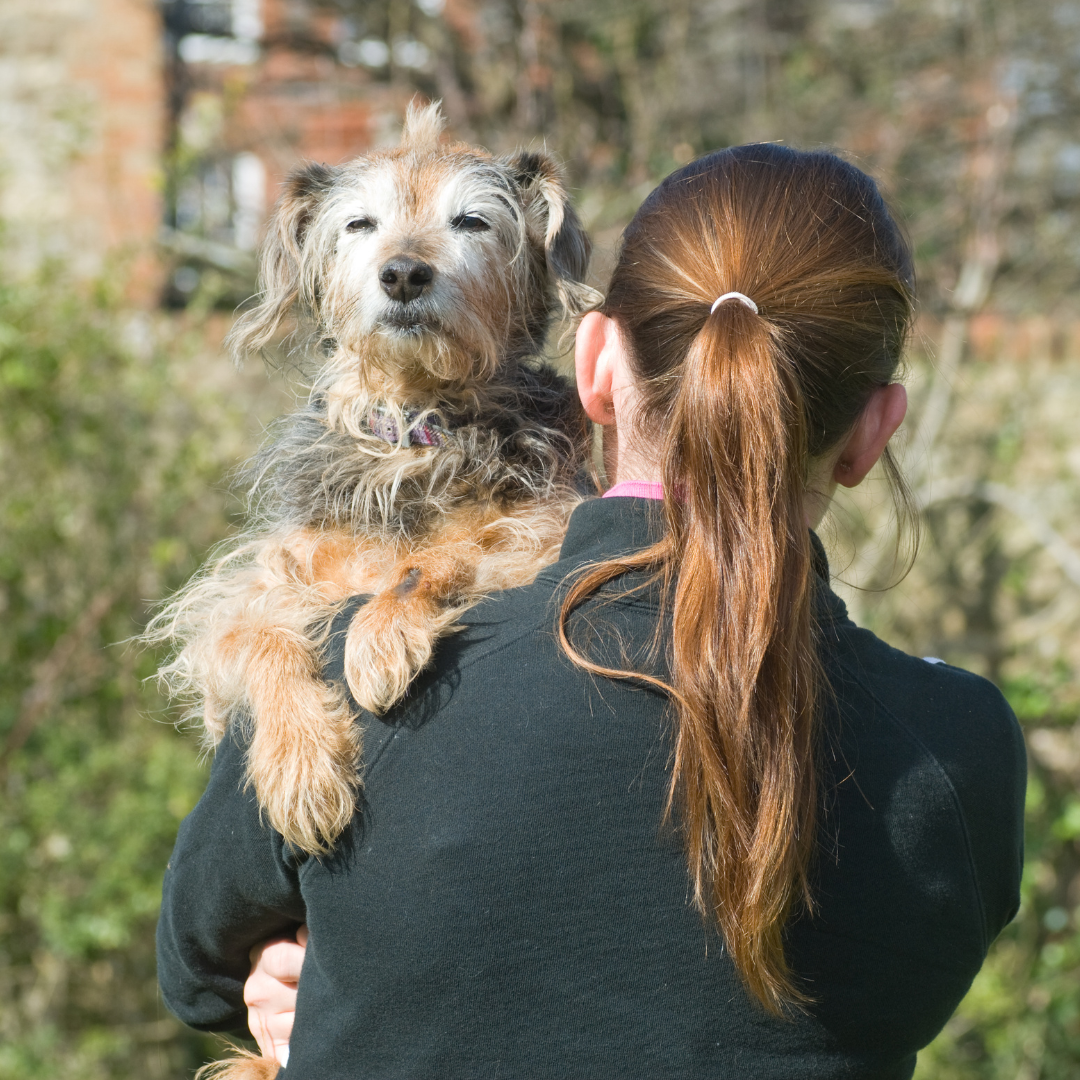
As our brains get older, they start to slow down and deteriorate. We don’t fully understand why conditions like Alzheimer’s or dementia develop. But we do know that humans aren’t the only species that experiences this.
In this guide, we’ll discuss what sundowning can look like in dogs, treatment options, and how you can help to make them more comfortable at home.
Sundowning is the colloquial term for Canine Cognitive Dysfunction Syndrome (CCDS). It’s a neurological disorder that happens when a build-up of proteins in the brains of senior dogs causes a toxic environment for neurons. As neurons in the brain start to die off, it can affect how your dog feels, moves, and understands the world.
CCDS is commonly called sundowning because the symptoms often start or get worse in the evening. It’s fairly common in dogs, especially as they get older. According to a recent survey, symptoms of sundowning were found in:
28% of dogs aged 11-12 years old
68% of dogs aged 15-16 years old
Sundowning can affect your dog in a wide variety of ways; often, these changes are gradual and progressively get worse as they get older. Veterinarians use the DISHAA assessment, which divides the common symptoms into five categories:
D: Disorientation | The dog may become lost easily in familiar places, not recognize family members, or get “trapped” in the corners of rooms. They may also forget commands they’ve known for years.
I: Interactions | Some older dogs can become irritated or confused easily, while others may experience gradual or drastic changes in their personality.
S: Sleep/wake Cycles | They may have trouble sleeping at night and spend their time pacing or getting lost instead. During the day, they’ll be lethargic and sleepy.
H: House Soiling | Your dog may start to lose control of their bladder, and you may return to messes in the house more often. More frequent bathroom breaks are needed.
A: Activity | Your dog may lose interest in activities or toys that once fascinated them. They may also experience difficulty with walking or coordination.
A: Anxiety | Anxious behavior, especially around crowds or new situations, is very common in sundowning dogs. Even in those who have never shown anxiety before.
Only a veterinarian can diagnose your dog with Canine Cognitive Dysfunction Syndrome (CCDS), dementia, or sundowning. If you’re seeing the symptoms and signs mentioned above, schedule a meeting to talk with your regular vet. Take lots of notes on your dog’s behavior before you go in. It can be especially helpful to create a symptom journal that tracks what you’re seeing and when it happens.
You can also use this checklist to help measure the severity and frequency of your dog’s sundowning symptoms. Again, it’s not an official diagnostic tool, but it can give your vet more information to work with and help ensure you’re looking out for all the ways CCDS can affect your dog’s body.
DISHAA criteria: is my dog sundowning?
Score each category 0–3 based on what you observe. Share results with your vet.
Because the symptoms of sundowning or CCDS are different for every dog, the treatments also need to be customised by a veterinarian. Your vet will likely include a combination of a few treatments to help keep your dog healthy and comfortable.
Medications
The first step may be to address the individual symptoms with targeted medications. For example, common recommendations include:
Fluoxetine or clomipramine are common anxiety medications
Melatonin is the most common sleep aid
Gabapentin is used for anxiety and for nerve-related pain as well
Trazodone is a sedative that can also help with anxiety and insomnia
Selegiline (Anipryl®) is the only medication approved to treat CCDS as a whole
Diet
Changing your dog’s diet is another great way to reduce sundowning symptoms. In dogs and humans alike, there is a strong connection between gut and brain health, so improving one often helps the other.
Some specialized, prescription foods are designed to help senior dogs. Depending on the needs and preferences of your dog, you might ask your vet about trying:
Supplements
It’s important to recognise that supplements aren’t regulated in the same way as prescription medications are. Talk to your vet before adding any supplements to your dog’s routine, what dosage they recommend, and what adverse side effects you should look out for.
Some vets recommend adding omega fatty acids or glucosamine, but these are also often included in specialised food for senior dogs, so make sure you’re not doubling up.

Beyond regular vet check-ups, there’s a lot you can do at home to help manage and improve the symptoms of sundowning in your dog.
Healthy routines
Senior dogs take comfort in predictable routines, so stick to a schedule when it comes to their bathroom breaks and meal times. If they’re on any medications, they should be taken at the same time every day to avoid adverse or lowered effects. You can also start training your dog early to do things (like being carried) that may be required of them when they’re older.
Enrichment
Keeping your dog’s brain active helps strengthen neural pathways and delay the progression of sundowning or dementia. You might try out some puzzle toys or teach them new games and tricks. Brushing up on old training can help it stay fresh in their minds, too.
Because your dog is more prone to stress right now, it’s important to keep enrichment to a smaller scale. They might enjoy a trip to the beach, but be frightened of the crowds at a farmer’s market.
You can learn more about dog enrichment techniques here, and we even have tips for when dog enrichment hasn’t worked in the past.
Home accommodations
Make sure your home is set up to accommodate your dog as they get older. This includes ramps or stairs to help them get around, and rugs on slick floors. If your home has lots of stairs or you live on a steep incline, you may need to block their access and find other ways of getting them up and down comfortably. Nightlights can also help avoid nighttime disorientation.
Take note of the places in your home that seem to disorient your dog, and try to mitigate them as best you can. If your dog really struggles with getting lost at night, you can also set up a “safe room” for them to stay in while you’re asleep.
Disability aids
It might be odd to think of your dog as disabled, but it happens to all older dogs at some point. Thankfully, there are a lot of products and strategies that can help make your dog’s life easier.
Consider:
Asking your vet about “doggy diapers”
Refreshing their collared I.D. and microchip
Using hand signs for hard-of-hearing dogs
Using vocal signals for dogs that are losing their sight
Returning to the training and techniques that helped them as a puppy
Safe exercise
Getting exercise improves your dog’s (and your own) health in countless ways. Frequent walks are a great way to start, and trying out a new park in your area gets you some extra enrichment, too. Low-intensity obstacle courses can work out their brain and their joints at the same time.
Watch out for signs of heat exhaustion, injury, or joint pain. And of course, talk with your vet about the types of exercises they would recommend.
If your dog is having trouble getting around, you could also get them a doggy massage.
If your pet sitter understands how to take care of senior and sundowning dogs, you absolutely can. It’s actually one of the best options when you need to leave home for a long amount of time. Senior dogs need more frequent bathroom breaks, so they’re not able to be left alone for more than 2-4 hours.
As we talked about, they also tend to dislike loud and crowded places — so boarding facilities may be frightening or stressful for them. Using an in-home pet sitter allows them to stay in a familiar environment and keep the same schedule they’re used to.
If you’re in the San Francisco Bay Area, G&G Pets has pet sitters who are very experienced in working with senior and sundowning dogs. They’ll take the time to meet with you in advance and get to know your dog, so you can be confident in their comfort.
Use the button below to let us know exactly what your dog needs and view the available sitters in your area.
Can sundowning come and go?
Yes. As the name suggests, the symptoms of sundowning or dementia in dogs usually get worse later in the day, after sundown, or at night. This is likely due to your dog getting more exhausted as the day goes on. In the mornings, they may be much more like their “old selves”.
How do I know if my dog has sundowner’s syndrome?
Only your veterinarian can know for sure. If the symptoms of sundowning discussed above sound familiar, schedule an appointment with your vet to talk about them. Take lots of notes on your dog’s behavior and when it started changing so they can be accurately diagnosed. If you have video of the symptoms you’re seeing at night, this can be especially helpful.
Does gabapentin help dog dementia?
It can. Gabapentin works on a part of the brain related to stress and pain. So it’s commonly recommended for anxious dogs or those with nerve-related pain. Dosing is especially important with psychoactive prescriptions like gabapentin, so always follow your vet’s instructions carefully. Only give your dog medications if prescribed by a vet.
What to give a dog with sundowners over the counter?
Omega fatty acids and glucosemene supplements are readily available and often recommended by vets for sundowning or senior dogs. However, supplements aren’t regulated in the same way medications are, so it can be hard to understand the quality of the product you’re buying or the dosing your dog should receive.
Talk with your vet about what over-the-counter treatments, specialized foods, or supplement brands they trust.
What causes sundowners in dogs?
Dementia, sundowning, or Canine Cognitive Dysfunction Syndrome (CCDS) is caused by the gradual deterioration of neurons in the brain. The ultimate cause isn’t fully understood and can vary between individuals. For example, irregularities in cardiovascular and gastrointestinal health can both create conditions that lead to sundowning.
While we don’t know why some dogs develop aspects of dementia and others don’t, we do know that regular vet check-ups, enriching stimulation, regular exercise, and healthy diets are all great ways to improve your dog’s brain health.

The information provided by Grand & Graham Pets (G&G Pets) on https://www.grandgrahampets.com is for general informational purposes only. It does not represent medical or training pet care advice. All information on the blog is provided in good faith; however, we make no representation or warranty of any kind, express or implied, regarding the accuracy, adequacy, validity, reliability, or completeness of any information on the blog. Under no circumstances shall we have any liability to you for any loss or damage of any kind incurred as a result of the use of the blog or reliance on any information provided on the blog. Your use of the blog and your reliance on any information on the blog is undertaken solely at your own risk. All text content of this blog is the property of Grand & Graham Pets and is therefore subject to copyright protection and not for reproduction or reuse. By accessing or using the website, blog, any materials, content, or intellectual property owned by the Owner, you acknowledge and agree to the terms of this Disclaimer. For more information, please see our full Disclaimer.
